

Invisalign NYC
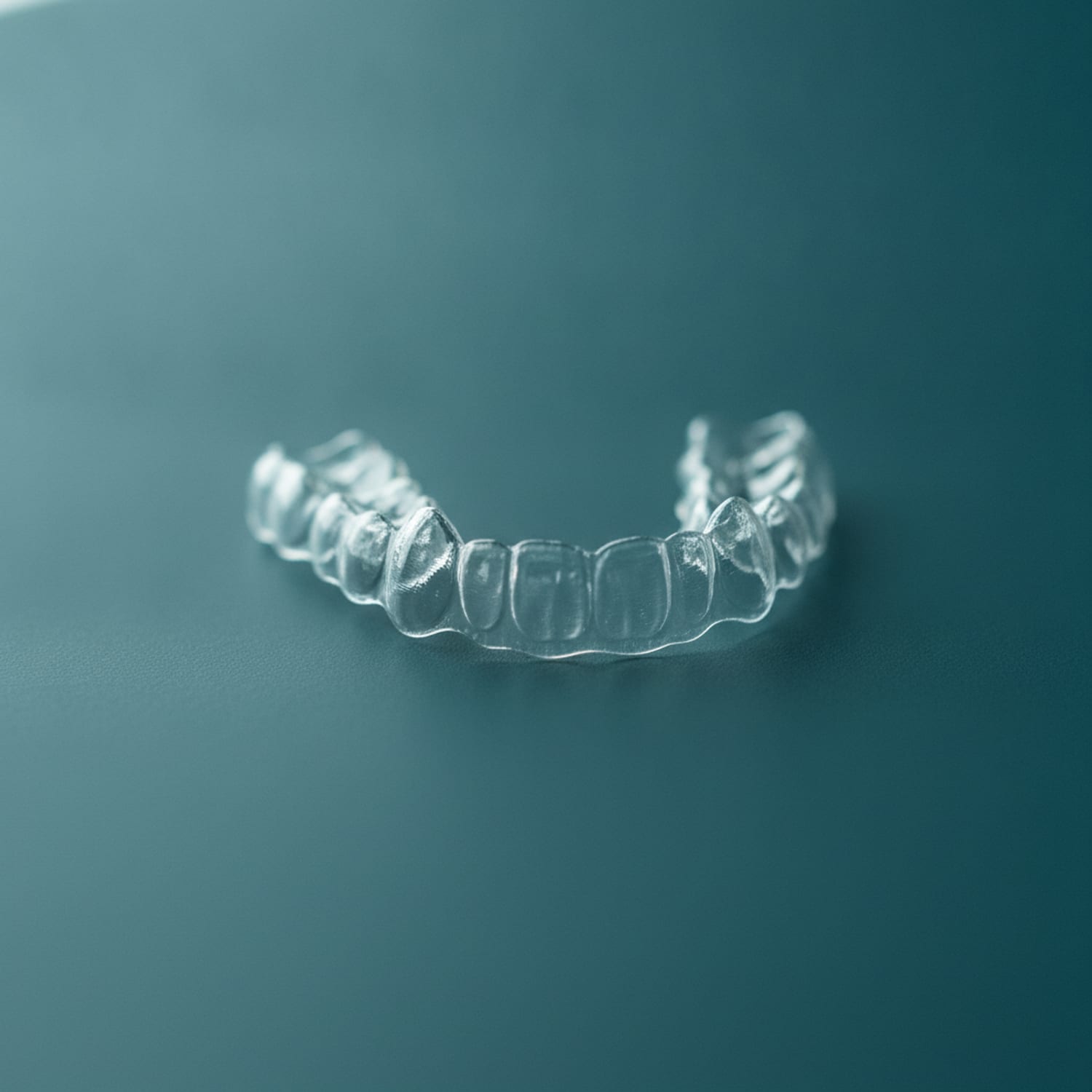
If you want to straighten your teeth without traditional metal braces, Invisalign NYC offers a discreet alternative for improving your smile. Invisalign clear aligners are custom-made from smooth, comfortable plastic and designed to gradually move your teeth into better positions. The virtually invisible trays fit over your teeth without the brackets and wires associated with traditional braces.
For many adults, Invisalign provides a way to achieve straight teeth without wearing cumbersome metal braces. The removable aligners fit easily into your daily routine, allowing you to take them out when eating, drinking, brushing, and flossing. For patients who prefer a discreet alternative to a noticeable metal mouth, Invisalign makes straightening teeth more convenient.
Invisalign treatment can address common concerns including crooked teeth, crowded teeth, gaps between teeth, and certain bite problems. Improving your alignment can help create a beautiful smile and give you greater confidence in your teeth.
In addition to the aesthetic benefit of Invisalign treatment, Centre Dental may also recommend Invisalign for its health benefits, including:
- Improved oral hygiene for better control of gum disease
- Preventing or slowing receding gums caused by bite imbalance
- Better oxygenation during sleep from improved airway and tongue space
- An improved TMJ condition
- Reduced C-reactive protein as chronic inflammation is reduced — so Invisalign may help support your longevity and youth
At Centre Dental, we recommend Invisalign treatment for many reasons. Smile enhancement is the obvious one, but improving your general health is the real hidden gem.
At Centre Dental, Dr. John Shi evaluates your teeth, bite, oral health, and treatment goals before recommending treatment. If Invisalign is appropriate for you, your personalized treatment plan will outline how your teeth can be moved toward better alignment and a straighter smile.
- Similar
- treatment time vs. fixed braces (mild–moderate crowding)
- ~30%
- extrusion accuracy — the hardest aligner movement
- 4.9 ★
- 226 Google reviews
From our operatory
See the treatment, not just the words
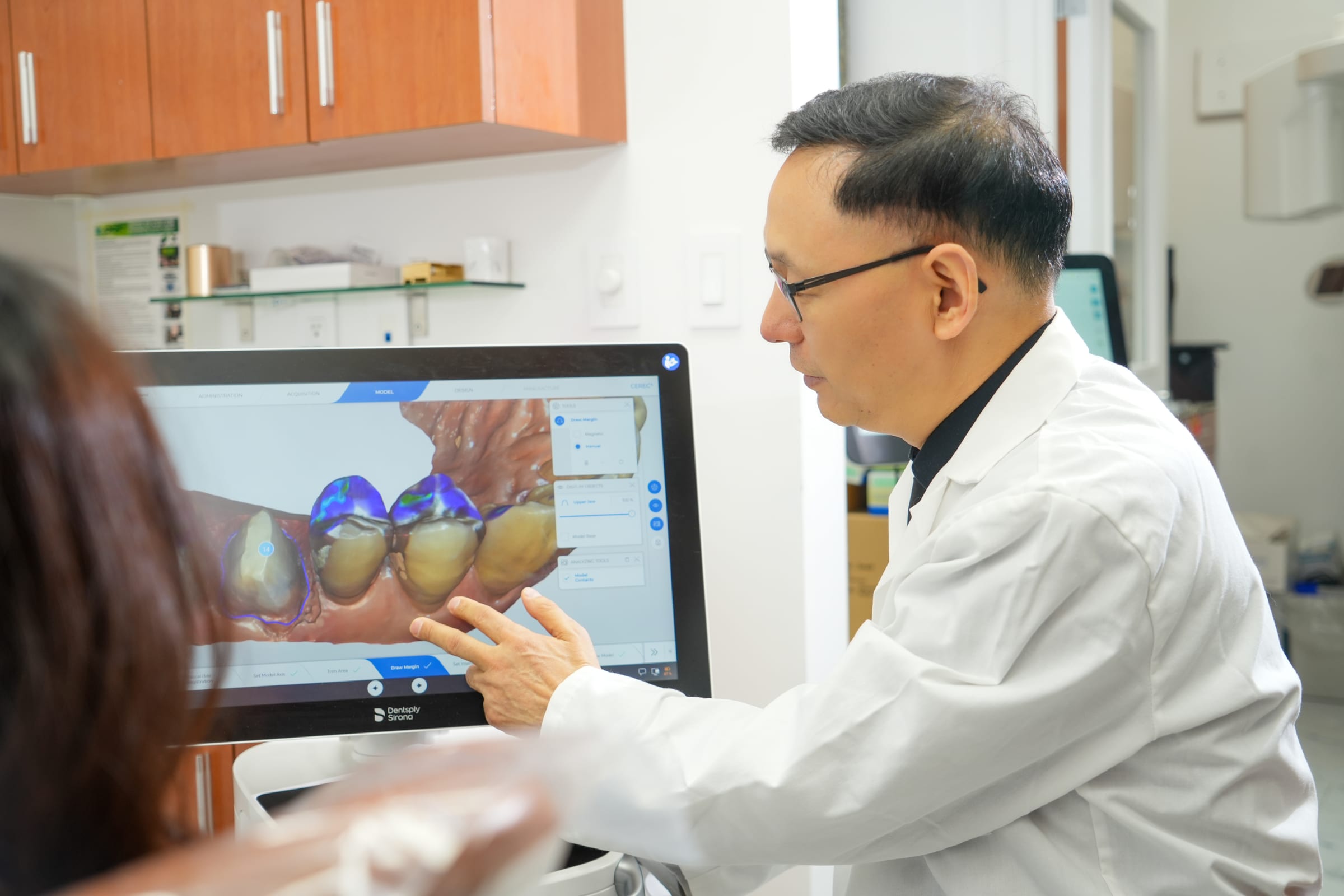
A walkthrough of the 3D intra-oral scanner that replaces impression trays — the digital model your aligner series is designed from.
Understand it fully
The clinical picture, in full
At a glance
- ~30%1
- extrusion accuracy — the hardest aligner movement
- 61–72%2
- canine derotation accuracy with attachments
- Similar3
- treatment time vs. fixed braces (mild–moderate crowding)
- Required4
- retainer to prevent relapse after treatment
Invisalign Treatment in New York City
Your Invisalign journey begins with an initial consultation with Dr. John Shi at Centre Dental's Manhattan office. He will examine your teeth and bite, discuss what you would like to change about your smile, and explain your treatment options. Digital scanning can create a detailed virtual model of your teeth to help plan your treatment.
If you're looking for an Invisalign provider in Manhattan or New York City, Centre Dental offers personalized care in a conveniently located dental office. A free initial consultation gives you the opportunity to learn whether Invisalign is right for you and what your treatment may involve.
Schedule a free Invisalign consultation in NYC and take the first step toward a more confident smile.
How Does Invisalign Work?
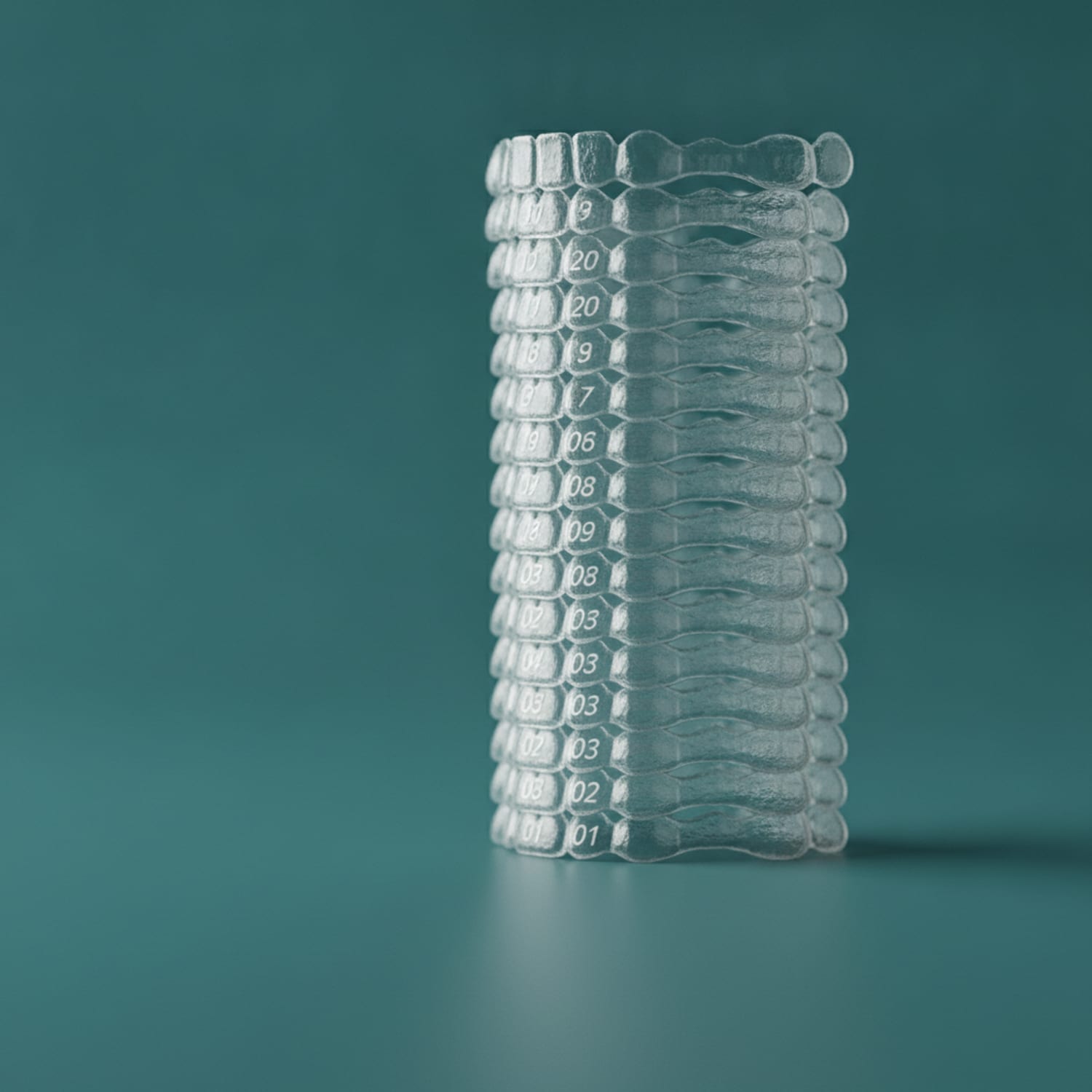
The Invisalign process uses a series of custom aligners to gradually move your teeth into better alignment. Each set is designed to make specific tooth movements as part of your personalized Invisalign treatment plan.
Your Invisalign Treatment Plan
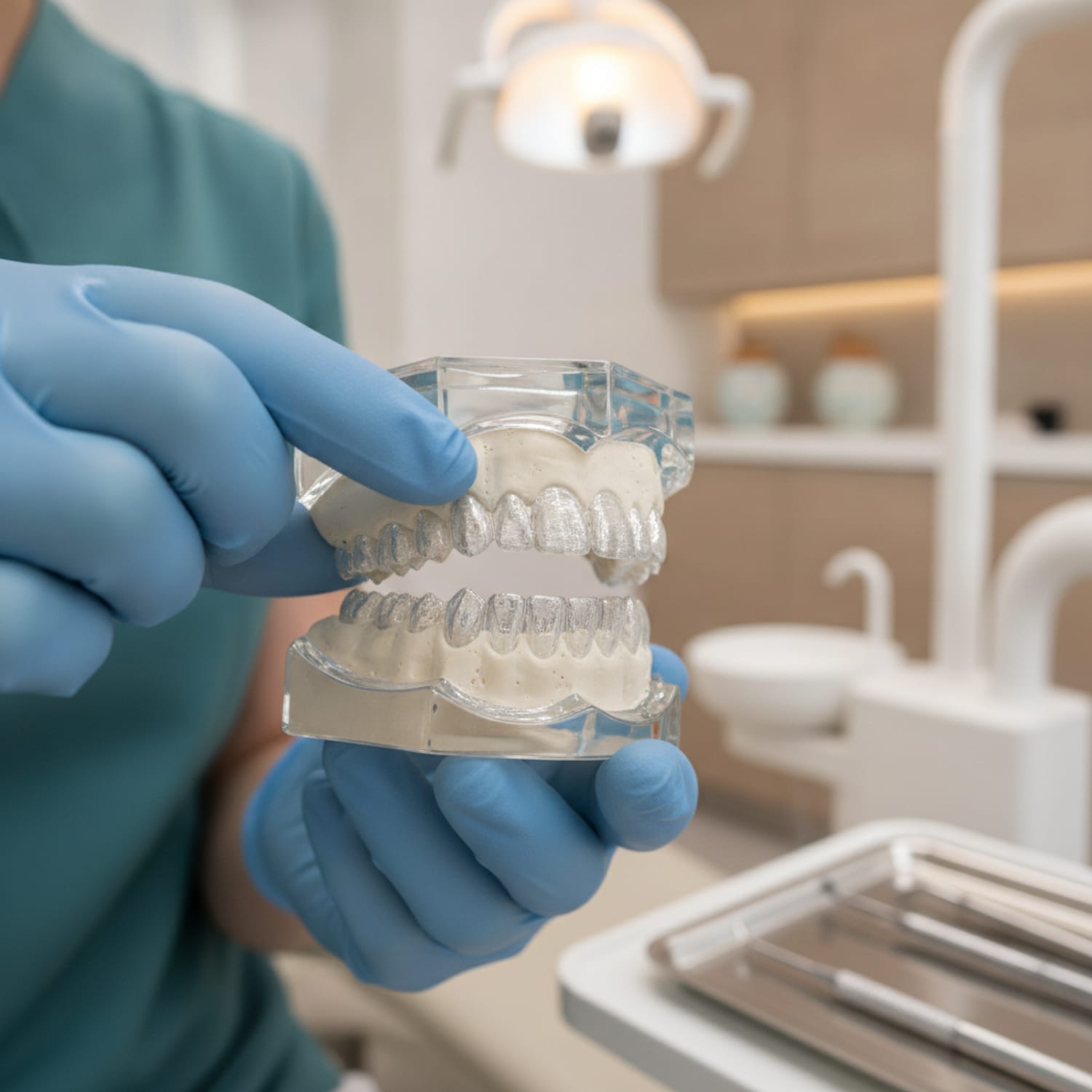
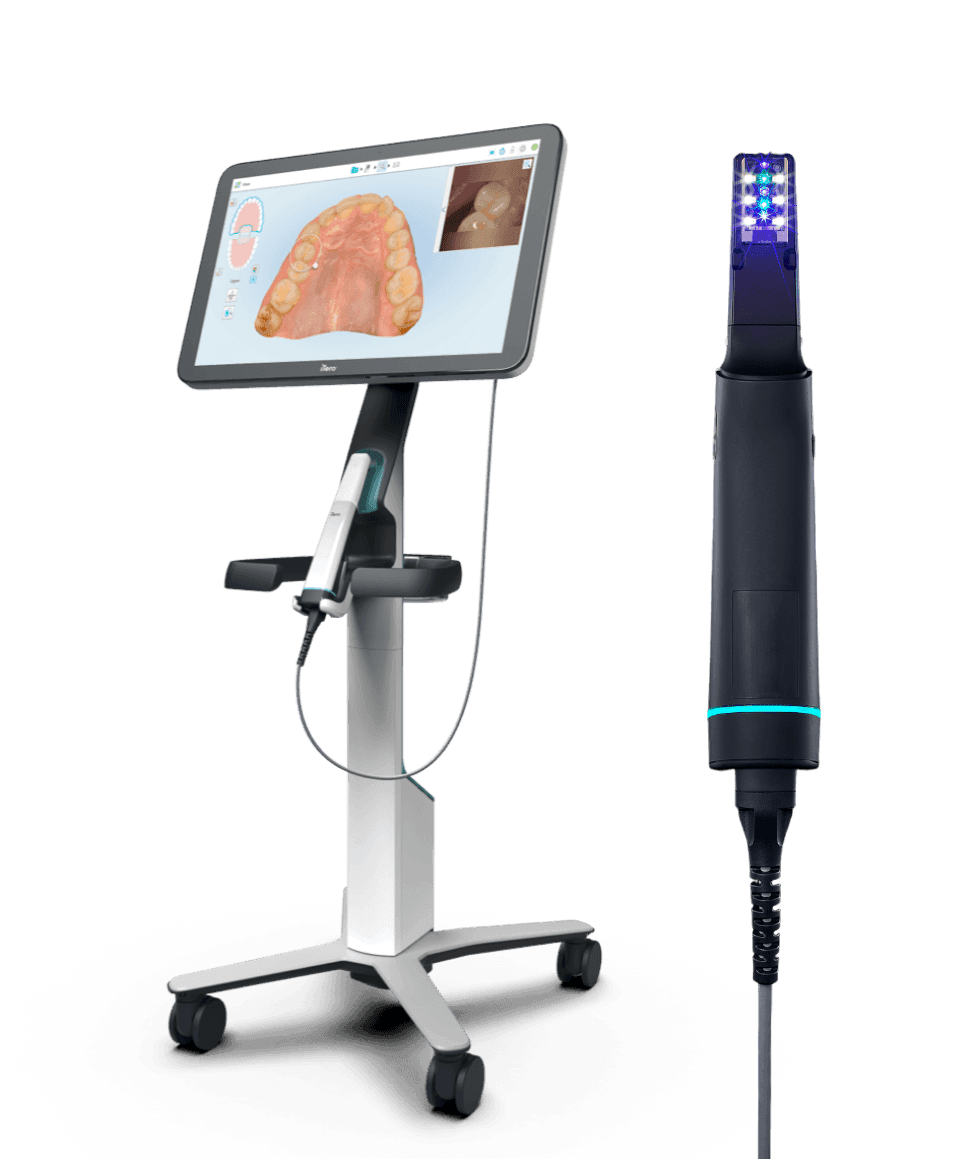
Treatment begins with an evaluation of your teeth and bite. At Centre Dental, Dr. John Shi uses digital iTero 3D scanning to create a detailed virtual model of your teeth. This helps plan the movements needed to align your teeth and improve your smile.
Custom Invisalign Aligners
Your treatment plan is carried out through a series of custom aligners made from smooth plastic. The smooth trays fit comfortably over your teeth, with each aligner applying controlled pressure to gradually guide your teeth toward their planned positions.
Wearing Your Aligners
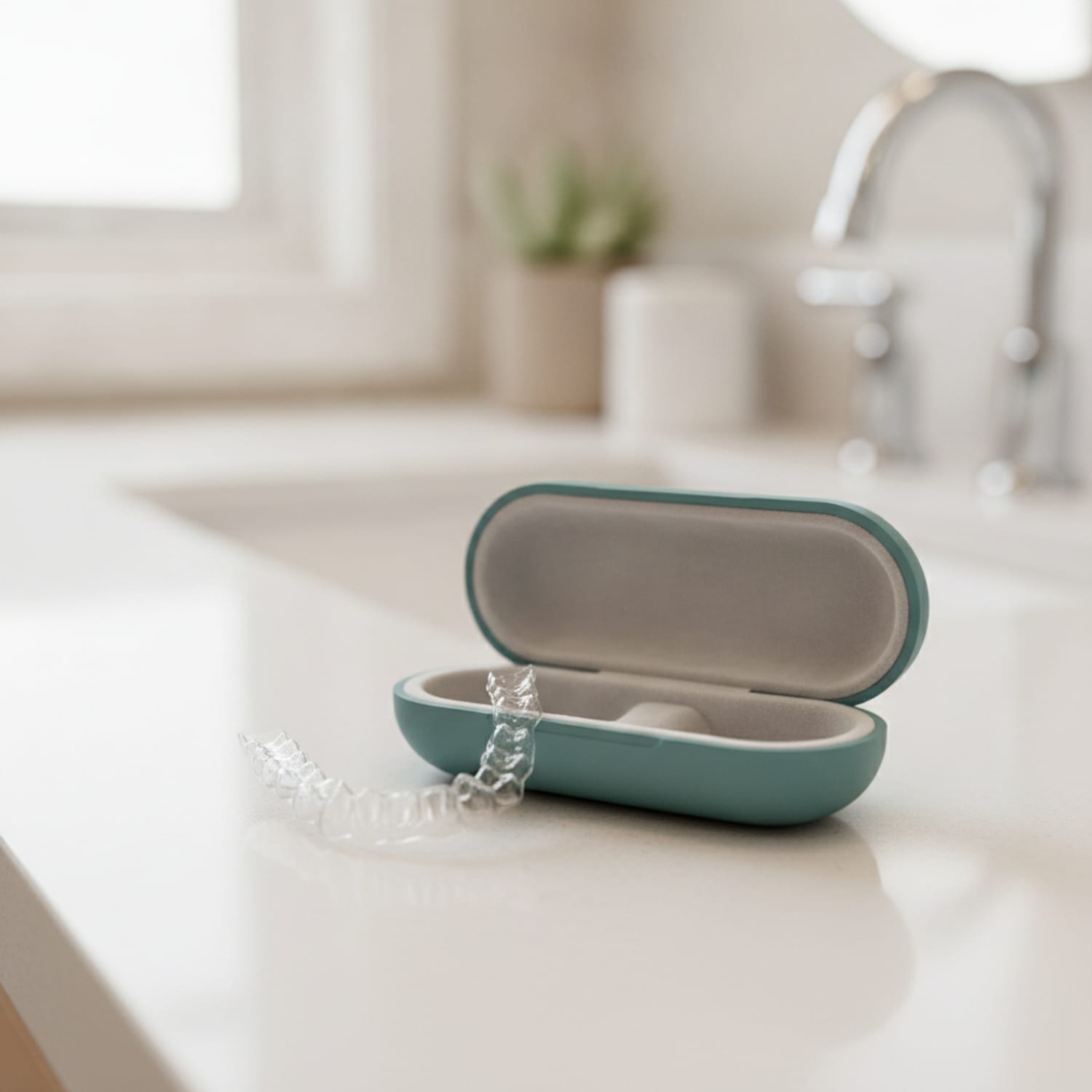
You should wear your Invisalign aligners for approximately 20–22 hours each day. Because they are removable, you can take them out when eating, drinking anything other than water, brushing, and flossing.
Consistent wear helps keep your treatment progressing according to the planned sequence of tooth movements.
Monitoring Your Progress
Dr. Shi will monitor your teeth during periodic appointments as you progress through your aligners. Your treatment timeline depends on your individual teeth, bite, and treatment needs, and Dr. Shi can discuss your expected timeline during your consultation.
What Can Invisalign Treat?
Invisalign can help improve the alignment of your teeth and address several common bite concerns. For patients who want to align their teeth without traditional braces, clear aligners offer a discreet way to work toward a straighter smile.
Crowded and Crooked Teeth
When teeth overlap because there is not enough room for proper alignment, Invisalign can gradually move crowded or crooked teeth into better positions.
Gaps Between Teeth
Invisalign can also help close spaces between teeth. Your custom aligners are designed to gradually move your teeth toward their planned positions, improving the overall alignment of your smile.
Bite Problems
In addition to straightening teeth, Invisalign can address certain bite concerns, including overbites, underbites, crossbites, and open bites. The appropriate treatment depends on the severity and cause of the problem.
When Another Treatment May Be Better
Invisalign is often an option for mild to moderate crowding, spacing, and certain bite problems. More complex cases may be better treated with traditional braces or another orthodontic approach.
During your consultation, Dr. John Shi will evaluate your teeth and bite and explain which treatment options are appropriate for you.
Who Is a Good Candidate for Invisalign?
Invisalign treatment can be an option for adults and teens who want to straighten their teeth without traditional metal braces. Whether clear aligners are right for you depends on your teeth, bite, oral health, and the type of movement needed.
Adults and Teens
Many adults choose Invisalign because the virtually invisible aligners allow them to improve their smile without noticeable brackets or metal wiring. Invisalign can address concerns such as crooked teeth, crowding, spacing, and certain bite problems.
Healthy Teeth and Gums
Good oral health is important before beginning Invisalign. Active cavities or gum disease may need to be addressed first. Regular teeth cleaning, brushing, and flossing remain important throughout treatment.
Following Your Treatment Plan
Because Invisalign aligners are removable, wearing them consistently is essential. You will need to follow the prescribed schedule so your teeth continue moving as planned.
If you're unsure whether Invisalign is right for you, a free consultation with Dr. John Shi gives you the opportunity to discuss your goals and learn which treatment options are appropriate for your smile.
Invisalign vs. Traditional Braces
If you want to straighten your teeth, Invisalign and traditional braces can both improve tooth alignment and certain bite problems. The main difference is how each treatment fits into your daily life.
Invisalign Clear Aligners vs. Metal Braces
Both Invisalign and traditional braces can straighten teeth and improve certain bite problems. The best choice depends on your treatment needs, oral health, and personal preferences.
Invisalign clear aligners are made from smooth, clear plastic and fit over your teeth. They are virtually invisible and removable, so you can take them out when eating, drinking, brushing, and flossing.
Traditional braces use brackets and metal wiring that remain attached to your teeth throughout treatment. For patients who prefer not to wear noticeable or cumbersome metal braces, Invisalign offers a discreet metal alternative.
Comfort and Everyday Convenience
The smooth trays fit comfortably over your teeth without brackets and wires. Because Invisalign is removable, you can continue your normal brushing and flossing routine and remove the aligners when eating.
Traditional braces may require more care around brackets and wires and can limit some food choices. Invisalign lets you remove the trays before meals, giving you greater flexibility in your daily routine.
Which Treatment Is Right for You?
Invisalign can be effective for many common alignment concerns, while traditional braces may be recommended for some more complex cases. Dr. John Shi can evaluate your teeth and bite and help you choose the treatment that best fits your needs.
Your next step
Wondering if invisalign is right for you?
A free consultation includes an exam and a written plan — no pressure, no upsell.
What Is Invisalign Like to Wear?
One of the main benefits of Invisalign is that the aligners are designed to fit into your everyday routine. The trays are smooth, removable, and virtually invisible, allowing you to straighten your teeth without noticeable brackets or wires.
Comfortable, Discreet Aligners
Invisalign aligners are made from smooth plastic and designed so the smooth trays fit comfortably over your teeth. You may notice some pressure or mild soreness when you begin a new set as your teeth gradually move into their planned positions.
For adults who want a beautiful smile without cumbersome metal braces, Invisalign offers a discreet alternative.
Eating and Drinking
Because Invisalign aligners are removable, you can take them out before eating and drinking. You do not have to make the same food adjustments that may be necessary with traditional braces.
After eating, simply put your aligners back in and continue following your prescribed wear schedule.
Brushing and Flossing
You can remove your aligners when brushing and flossing, making it easier to maintain your regular oral hygiene routine throughout treatment. Regular brushing, flossing, and teeth cleaning remain important for keeping your teeth and gums healthy.
Getting Used to Invisalign
It can take some time to get accustomed to wearing your aligners. Mild pressure when starting a new set is normal as the trays guide your teeth through the alignment process.
Following your treatment plan and wearing your aligners consistently will help keep your teeth straightening treatment on track.
How Long Does Invisalign Take?
The length of Invisalign treatment depends on your teeth, bite, the amount of movement needed, and how consistently you wear your aligners. Some patients need a shorter course of treatment, while others may require a long Invisalign treatment for more involved alignment or bite concerns.
Your Personalized Treatment Timeline
During your consultation, Dr. John Shi will evaluate your teeth and bite and develop a personalized treatment plan. Your digital scan helps map the movements needed to align your teeth and plan your complete treatment.
For many patients, Invisalign treatment takes approximately 12 to 18 months, although treatment may be shorter or longer depending on the individual case.
How Often Are Aligners Changed?
Invisalign uses a series of custom aligners. Patients typically move to a new set every one to two weeks, following the schedule provided as part of their treatment plan. Each new set continues the planned tooth movements.
Why Treatment Time Varies
A patient with minor spacing may need less treatment than someone with significant crowding or a more involved bite concern. Consistently wearing your aligners is also important for keeping treatment on track.
Rather than promising speedy results, Dr. Shi will explain what you can reasonably expect based on your individual treatment needs.
How Much Does Invisalign Cost in NYC?
The cost of Invisalign treatment varies from patient to patient. Your total cost depends on the complexity of your case, the amount of tooth movement needed, and the length of treatment. Invisalign and traditional braces can have comparable pricing, depending on the treatment required.
What Affects the Cost of Invisalign?
A patient with minor spacing or crowding may need a different number of aligners than someone with more involved alignment or bite concerns. The goal is to find an effective, cost-effective solution for your individual needs rather than choosing treatment based only on the lowest advertised price.
At Centre Dental, Dr. John Shi evaluates your teeth and explains the treatment recommended for your smile before you commit to treatment.
Insurance and Financing Options
Many dental insurance plans provide benefits toward orthodontic treatment, which may include Invisalign or traditional braces. Coverage varies by plan, so our office staff can help you understand your available benefits.
Centre Dental also offers flexible financing options to help make treatment more manageable. You can discuss your estimated treatment cost, insurance benefits, and payment options during your consultation.
Find Out Your Invisalign Cost
Rather than relying on a general estimate or choosing an Invisalign provider based only on price, a consultation allows Dr. Shi to evaluate your individual needs and explain the expected cost of treatment.
Schedule a free Invisalign consultation in NYC to discuss your treatment and cost.
Why Choose Centre Dental for Invisalign?
Choosing an Invisalign provider is about more than finding clear aligners at an affordable price. You want a dental office where your treatment is planned around your teeth, bite, oral health, and smile goals.
Personalized Invisalign Care
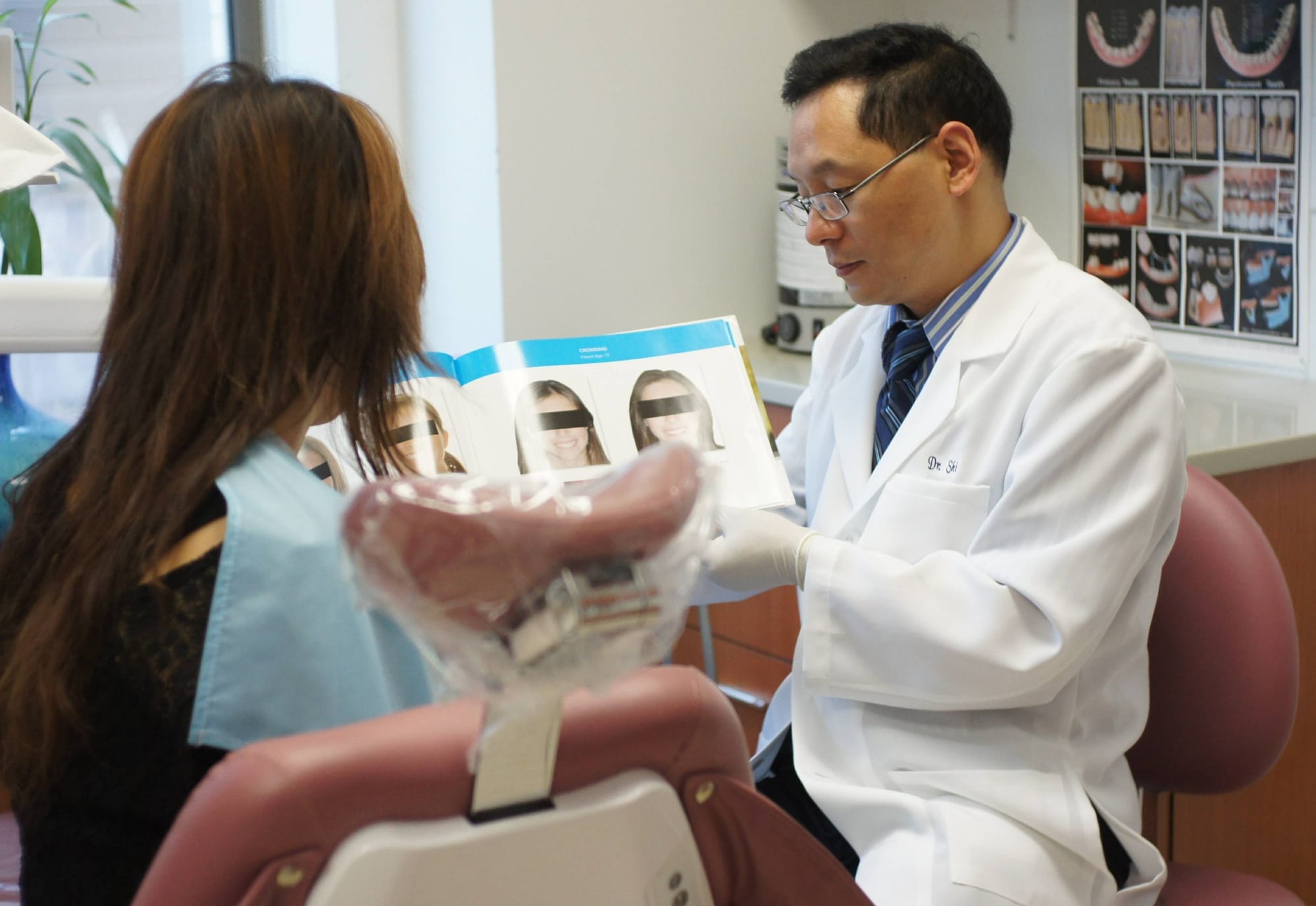
At Centre Dental, Dr. John Shi evaluates your individual needs before recommending Invisalign. He considers your alignment, bite, oral health, and treatment goals when developing your treatment plan, helping ensure your care is appropriate for your smile.
Digital Treatment Planning
Centre Dental uses iTero 3D scanning to create a detailed virtual model of your teeth. These digital images help Dr. Shi plan the tooth movements needed throughout treatment and create your custom aligners.
Care in Manhattan
Centre Dental's Manhattan office provides Invisalign consultations and treatment in New York City. From your initial consultation through your complete treatment, you can discuss your progress and questions with Dr. Shi and the Centre Dental team.
If you are considering Invisalign, schedule a free consultation to discuss your options and find out whether clear aligners are right for you.
Start Your Invisalign Treatment in NYC
If you're considering Invisalign in NYC, the next step is a consultation with Dr. John Shi. You can discuss what you would like to change about your smile and learn whether Invisalign clear aligners are appropriate for your teeth and bite.
Your Invisalign Consultation
During your appointment, Dr. Shi will evaluate your teeth and bite, review your oral health, and discuss your treatment goals. Centre Dental uses iTero 3D scanning to create a digital model of your teeth, helping Dr. Shi develop a personalized Invisalign treatment plan.
You can also discuss your expected treatment timeline, cost, insurance benefits, and available financing options before deciding whether to proceed.
A Personalized Plan for a Straighter Smile
Every smile is different. Your treatment plan will take into account your current alignment, bite, and the amount of movement needed. Dr. Shi can explain how Invisalign can address your concerns and whether another treatment option may be more appropriate.
Centre Dental offers a free Invisalign consultation at its conveniently located Manhattan office. You can meet with Dr. Shi, ask questions, and make an informed decision about your treatment.
Schedule your free Invisalign consultation today and take the first step toward a straighter, more confident smile.
Call (212) 925-7066
Centre Dental
Lower Manhattan, New York City
English • Mandarin • Cantonese
Related at Centre Dental
What patients say
Reviewed, on Google
I came for an emergency root canal treatment and I did not regret choosing this place. It was quick and painless. Plus, everyone was very quite friendly.
I recently had a dental cleaning at Centre Dental, and I had a wonderful experience. The staff was friendly, professional, and welcoming. The cleaning was very thorough yet gentle, and everything was explained clearly th…
A skillful Dentist who goes the Extra Miles I have been flying to NYC from Florida multiple times to this dental office. Dr. Shi has been working on my upper full mouth teeth transplant for over half a year. So far I ha…
Concerned about comfort, bone, or cost?
These are the questions a consultation answers directly. Dr. Shi reviews your 3D CBCT scan, evaluates your bone and candidacy, and outlines your options, treatment timeline, and estimated cost — including what your insurance may cover.
Thinking about it
The questions we hear first
How Much Does Invisalign Cost in NYC?
Does Insurance Cover Invisalign?
How Long Does Invisalign Treatment Take?
How Often Do I Change Invisalign Aligners?
How Many Hours a Day Should I Wear Invisalign?
Does Invisalign Require Fewer Visits Than Braces?
Is Invisalign Better Than Traditional Metal Braces?
Can Adults Get Straight Teeth With Invisalign?
How Do I Choose an Invisalign Provider?
Invisalign treatment should be provided by a licensed dentist or orthodontist who has completed the necessary Invisalign training. When choosing a provider, consider their experience, treatment planning process, and how they will monitor your progress throughout treatment.
At Centre Dental, Dr. John Shi uses digital iTero 3D scanning to create a virtual model of your teeth and develop a personalized Invisalign treatment plan.
How Do I Start Invisalign in NYC?
Your Invisalign process begins with an initial consultation. Dr. Shi will evaluate your teeth and bite, discuss your goals, and determine whether Invisalign is appropriate for you.
Centre Dental offers a free Invisalign consultation at its Manhattan office, where you can discuss your treatment options and expected investment before deciding whether to proceed.
Schedule your free Invisalign consultation in NYC with Dr. John Shi.
Why we replaced putty impressions with a 3D scanner
Traditional impressions used dental putty pressed against the teeth — uncomfortable, gag-inducing, and prone to distortion. Centre Dental uses the iTero Element 5D intraoral scanner to capture the same anatomy in a few minutes by passing a wand over each arch. The result is a precise digital model that the doctor can rotate, measure, and share with the lab in the same session.
For Invisalign patients, the iTero scan generates the ClinCheck plan that drives every aligner stage. The Element 5D also includes near-infrared imaging that highlights early-stage caries below the enamel surface — a finding that often appears on the screen before it would be visible on a bitewing X-ray.
Explore Further
Related Services
Cosmetic Dentistry
Evidence-based cosmetic planning — where aligner treatment fits alongside veneers, whitening, and bonding.
Learn morePorcelain Veneers
Thin ceramic restorations that correct chips, gaps, and shape when alignment alone isn't the goal.
Learn moreTeeth Whitening (Zoom)
Professional Zoom in-office whitening and custom take-home trays — a common finishing step after aligners.
Learn moreMeet Dr. John Shi, DDS
Columbia-trained, planning every aligner case digitally from the iTero scan forward.
Learn moreInvisalign Near You in NYC
Start here
Schedule your consultation
In a single visit, Dr. Shi reviews your 3D scan, assesses your candidacy for invisalign, and provides a written treatment plan with cost and insurance details — so you can decide with all the facts.
Extensive full-arch reconstruction experience by Dr. Shi
3D-guided precision, placed by an experienced surgeon
Bilingual — English, Mandarin, Cantonese
Live clinic hours · 139 Centre St, Lower Manhattan, NYC