

Complete and partial dentures with optional implant stabilization

Dentures NYC — Full and Partial Dentures at Centre Dental

Get back a full smile — and teeth you can actually eat with.
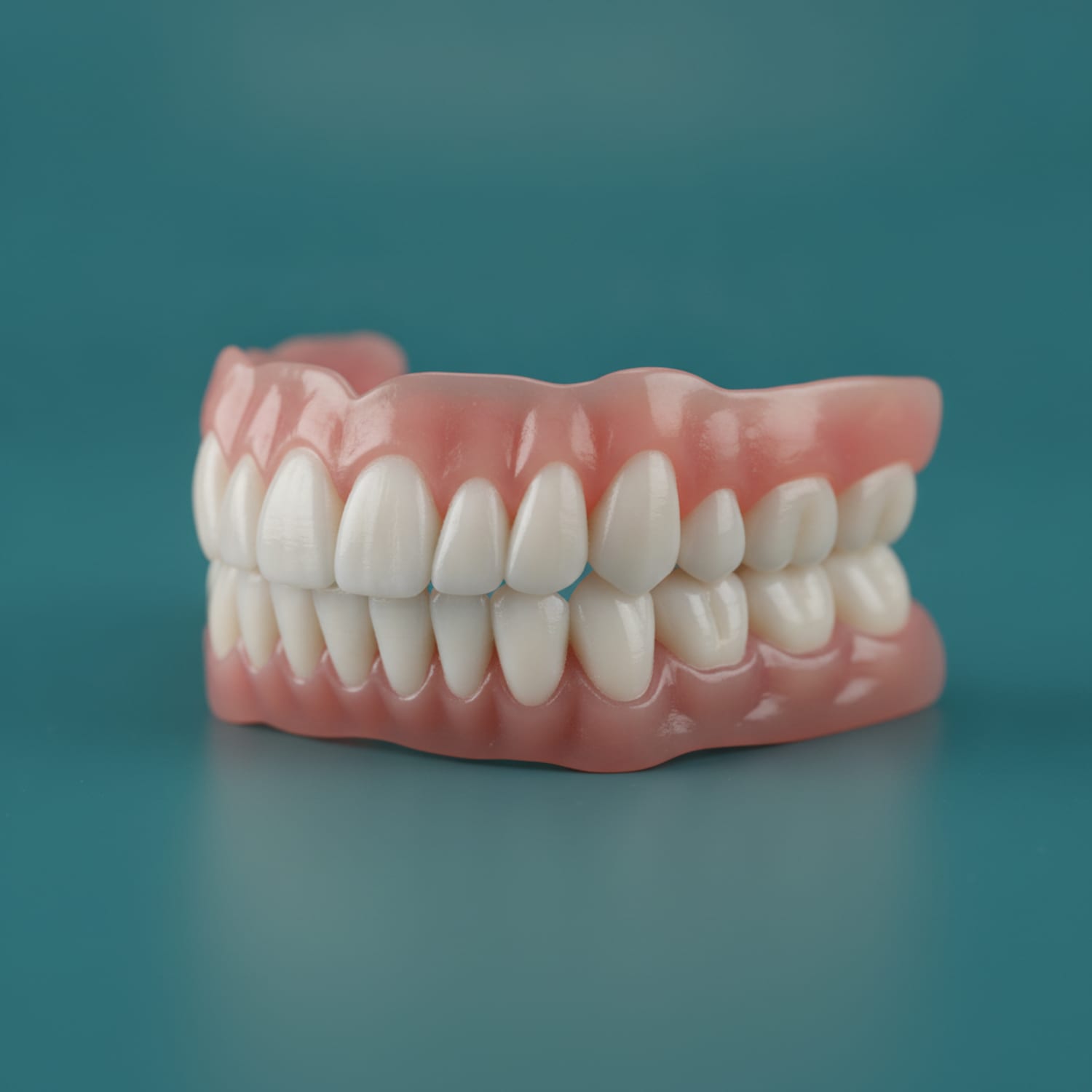
Full, partial, and implant-supported dentures in NYC by Dr. John Shi. Fitted across several careful visits so the result stays in place when you talk, laugh, and chew — not something you leave in a drawer.

Complete Dentures NYC | Full & Partial | Centre Dental - Complete and partial dentures with optional implant stabilization

A denture you fight with all day isn't a solution.

Most people who come to us for dentures aren't asking about acrylic resins and border seals. They're tired of a plate that clicks when they speak, that lifts when they bite into anything firm, that they're quietly afraid will move at dinner. If that's you — you're in the right place. Below is everything worth understanding before you decide, in plain language, so the denture you get is one you'll actually wear.

It moves when you eat

A lower denture that lifts and rocks, so you chew carefully on both sides and still avoid the foods you want.

You cover your mouth to speak

Whistling S sounds, a plate you can feel shifting — so you talk with a hand up and smile with your lips closed.

An old set in a drawer

A denture that fit at delivery but felt loose a few years later, that never quite became yours.
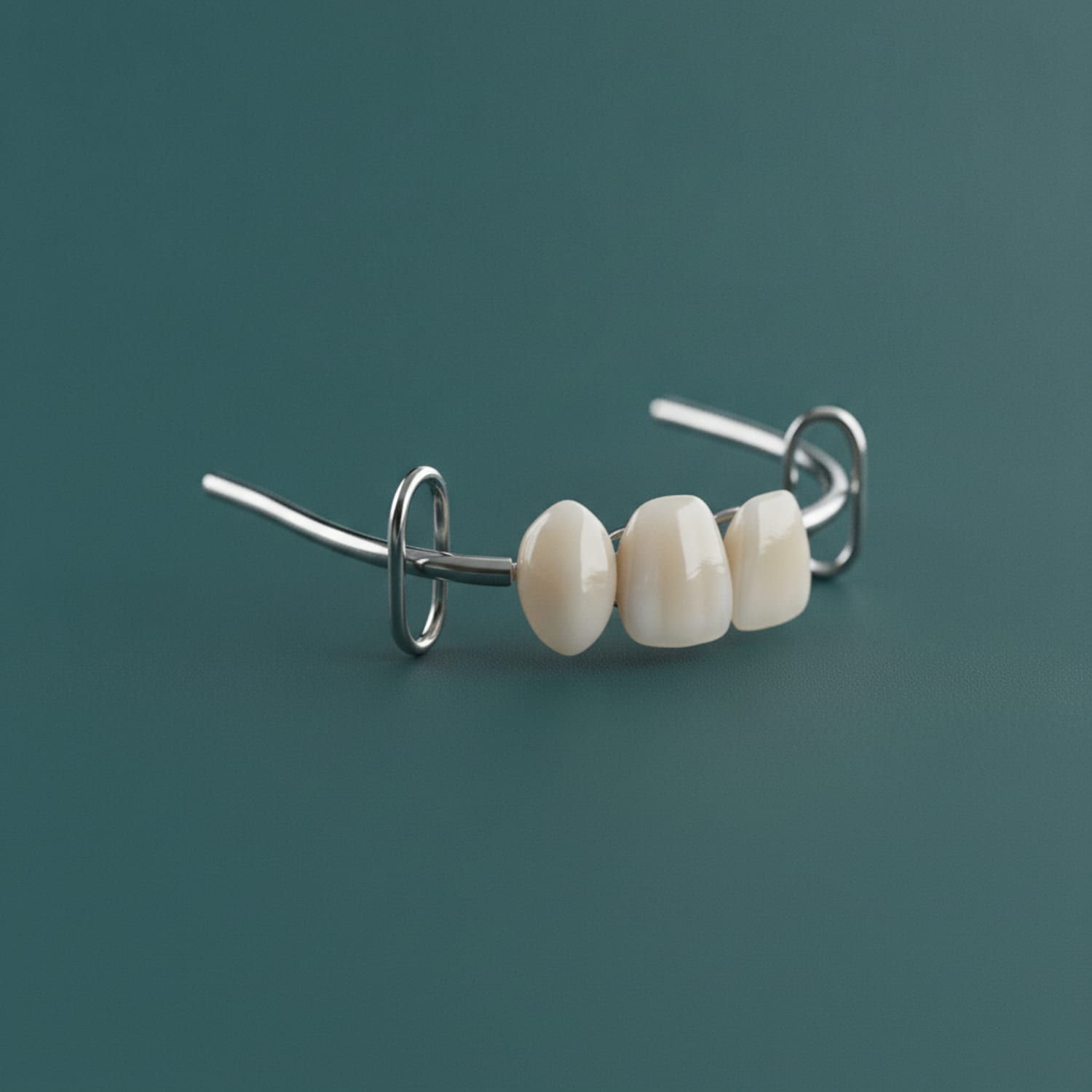
A removable partial denture with a metal framework — Centre Dental NYC
How can a well-made denture help me?

Teeth that restore your face, your speech, and your bite.

A denture replaces the teeth you've lost and the lip and cheek support that goes with them — so many patients look younger, not older, after delivery. A complete denture rests on the gum ridge; a partial clasps onto your remaining teeth; and an implant-supported overdenture snaps onto a small number of implants so it stays put while you eat and speak, yet still lifts out for cleaning. The right one depends on your remaining teeth, your bone, and how much a loose plate matters in your daily life — and we walk through all three before anything is made.

Schedule a denture consultation

Understand it fully

The clinical picture — from gum ridge to a stable bite

At a glance

40 vs 691
chewing strokes for the same food breakdown — two-implant overdenture vs conventional denture
First choice2
mandibular two-implant overdenture named standard of care for edentulous patients (2002 expert consensus)

Full, partial, and implant-supported — three different solutions

A complete (full) denture replaces all the teeth in an upper or lower arch and rests on the gum tissue, held by suction, a border seal, and muscular control — the upper is usually more stable than the lower because the palate adds surface area. A partial denture (an RPD, or removable partial denture) replaces some teeth and clasps onto the remaining natural ones for retention, made from cast cobalt-chromium metal or a flexible thermoplastic. An implant-supported overdenture combines two or more dental implants with locator attachments — the denture snaps onto the implants for dramatically better stability while still lifting out for cleaning. The right option depends on your remaining teeth, bone volume, and how much the looseness of a conventional denture affects your life. We map all three at the consultation, using the Centre Method.

The fitting process — why it takes several visits

A well-fitting denture is built across roughly four to six visits over six to eight weeks, and every step exists for a reason. The first appointment captures preliminary impressions of your gum ridges; the second uses a custom tray for a precision final impression. A wax bite registration records how your upper and lower jaws meet — your occlusion — so the new teeth sit at the correct vertical dimension and don't over- or under-open your bite. A wax try-in lets you see the exact tooth position, shade, and shape before anything is finalized, and we adjust it with you. Final delivery is followed by 24-hour and one-week adjustment visits, because every new denture creates pressure points the lab cannot predict. Skipping these steps is precisely what produces the dentures people abandon.

Choosing the teeth — shade, shape, and your face

The artificial teeth are typically high-grade acrylic resin, and the denture base is a gum-coloured acrylic. Their size, shape, shade, and midline position are chosen with you at the try-in — not guessed at by a lab. A properly designed denture restores the lip and cheek support that collapses inward when teeth are missing, which is why so many patients feel their face looks fuller and younger afterward. Old photographs are genuinely useful here: they let us rebuild the smile you recognize rather than a generic one. If you're also considering brightening or reshaping any remaining natural teeth, we can coordinate that with cosmetic treatment so everything matches.

Bone loss under a conventional denture — and why implants change it

When teeth are lost, the alveolar ridge that once held them begins to resorb — shrink away — because chewing no longer transmits load into it, a process called residual ridge resorption. This is the honest reason a lower denture that fit beautifully at delivery can feel loose a few years later, and why relines and eventual remakes become necessary. Implants change the equation: because they transmit bite force into the bone the way natural roots did, an implant-supported overdenture preserves ridge shape at the implant sites and anchors the denture instead of letting it float on shrinking tissue. On the lower arch especially, adding a small number of implants is one of the highest-impact upgrades in dentistry.

Why two implants transform a lower denture — what the evidence shows

The lower complete denture is the one patients struggle with most, because the tongue and a smaller ridge give it little to hold onto. According to PubMed, the 2002 McGill Consensus Statement — an international expert panel — concluded that a mandibular two-implant overdenture should be the first-choice standard of care for edentulous patients, rather than a conventional lower denture (Feine JS et al., Gerodontology 2002 / Int J Oral Maxillofac Implants 2002). The functional difference is measurable: in a crossover clinical trial, patients needed only 40 chewing strokes with a two-implant overdenture to reach the same food breakdown that took 69 strokes with a conventional denture, and reported significantly higher satisfaction (Sharma AJ et al., 2017). A separate randomized trial found even a single mandibular implant significantly improved chewing efficiency over a conventional denture (Rocha COM et al., 2021). None of this means everyone needs implants — it means, if a loose lower denture is your problem, implants are the evidence-backed answer, and we'll tell you honestly whether your bone supports them from a CBCT scan.

Immediate dentures — teeth the same day teeth come out

If you still have failing teeth that need to be removed, you don't have to go without teeth while your gums heal. An immediate denture is fabricated in advance from impressions taken before extraction, then placed the same day the teeth are removed — it acts as a healing bandage over the sockets and lets you leave with a smile. The trade-off is honest: as the gum ridge remodels and shrinks over the first three to six months, an immediate denture loosens and needs a reline or a definitive remake once healing settles. We plan that second step from the start so it's never a surprise. Where teeth need surgical removal first, that's coordinated with our extraction care, and anxious patients can ask about comfort options.

Living with your dentures — the first weeks and long-term care

New dentures take about three to six weeks to feel normal. Speech recalibrates — reading aloud speeds it up — and eating improves as you learn to cut food smaller and chew on both sides at once. Conventional dentures are removed at night so the gum tissue can rest and recover, then brushed daily with a denture brush and a non-abrasive cleaner; regular toothpaste is too abrasive and etches micro-scratches that trap stain, and hot water or bleach can warp or pit the acrylic. Over the years the ridge underneath keeps changing shape, so annual exams and periodic relines — typically every few years — keep the fit snug. An implant overdenture is cleaned the same way, with added attention to the locator attachments and the gum around each implant.

Sources: 1 · 2 · 3

Concerned about comfort, bone, or cost?

These are the questions a consultation answers directly. Dr. Shi reviews your 3D CBCT scan, evaluates your bone and candidacy, and outlines your options, treatment timeline, and estimated cost — including what your insurance may cover.

Schedule a consultation

Thinking about it

The questions we hear first

How much do dentures cost in NYC?

Cost depends entirely on the type. A conventional full upper or lower denture, a cast-metal or flexible partial, and an implant-supported overdenture — which includes the implants plus the denture — are all priced differently. Rather than quote a number that won't fit your case, we give you an itemized written estimate at your consultation, including a clear breakdown of what each stage covers and financing options if you'd like to spread the cost.

Does insurance cover dentures?

Many dental plans contribute toward dentures, often with a replacement clause allowing a new set only every several years, and implant components are usually capped at a separate implant benefit. Centre Dental is non-participating with most PPO plans — you pay us directly and we help you submit for out-of-network reimbursement. We'll review your specific benefits and put the expected coverage in writing before you commit to anything.

How long does it take to get dentures?

Conventional dentures take about six to eight weeks across four to six visits — the multiple appointments are what verify the fit, bite, and appearance before anything is finalized. Immediate dentures placed the same day as extractions shorten the wait but require a reline as the gums heal. An implant-supported overdenture adds roughly three to six months for the implants to integrate before the denture connects to them.

Will dentures change how I look?

Yes — usually for the better. A properly fitted denture restores the lip and cheek support that collapses inward when teeth are missing, so many patients feel their face looks fuller and younger, not older. Tooth size, shape, shade, and position are all reviewed with you at the wax try-in stage, so you approve the appearance before the denture is fabricated. Bringing old photos helps us rebuild the smile you recognize.

Why is my lower denture so much looser than my upper?

It's not you — it's anatomy. An upper denture covers the palate, which adds surface area and suction, while a lower denture has only a narrow, horseshoe-shaped ridge to sit on and a moving tongue working against it. That's exactly why the evidence points to implants for the lower arch: a two-implant overdenture snaps the lower denture down onto the bone. According to PubMed, an international expert panel (the 2002 McGill Consensus) named the mandibular two-implant overdenture the first-choice standard of care for this reason.

Are implant-supported dentures really worth the added cost?

For a loose lower denture, the evidence is strong. According to PubMed, in a crossover clinical trial patients reached the same food breakdown in 40 chewing strokes with a two-implant overdenture that took 69 strokes with a conventional denture, and reported significantly higher satisfaction (Sharma AJ et al., 2017). A separate randomized trial found even a single implant significantly improved chewing efficiency (Rocha COM et al., 2021). It costs more up front, but it transforms stability and eating — we discuss the trade-off candidly, and whether your bone supports it, at the consultation.

Can dentures be made the same day my teeth are extracted?

Yes — those are called immediate dentures. They're made in advance from impressions taken before your teeth are removed, then placed the same day, so you're never without teeth. They act as a protective bandage over the healing sockets. The honest trade-off is that as your gum ridge remodels over three to six months, an immediate denture loosens and needs a reline or a definitive remake — a second step we plan for from the start.

My denture used to fit and now it's loose — what happened?

Almost certainly residual ridge resorption. Because a conventional denture rests on the gum without transmitting chewing load into the bone, the ridge underneath slowly shrinks, and a denture that sealed perfectly at delivery gradually loses its grip. A reline can recapture the fit for a while, and eventually a remake restores it fully. If loosening keeps recurring — especially on the lower — adding implants to anchor the denture is the durable fix, because implants preserve bone at their sites the way natural roots did.

The path

Your journey, start to finish

01

Consultation + honest options

Dr. Shi examines your remaining teeth, gum ridges, and bite, and — if implants are on the table — reviews a CBCT scan of your bone. You'll leave understanding full, partial, and implant-supported options, with a written cost and insurance estimate for your specific case.

02

Precision impressions + bite registration

Custom trays capture a precise impression of your gum ridges, and a wax bite record establishes how your jaws meet, so the new teeth sit at the correct vertical dimension rather than opening or collapsing your bite.

03

Wax try-in — you approve the look first

You see the exact tooth position, shade, and shape set in wax and try it in your mouth. Nothing is finalized until you're happy with how it looks and feels — this is where we adjust the smile before fabrication.

04

Delivery + adjustment visits

Your finished denture is delivered and refined at 24-hour and one-week follow-ups to relieve the pressure points every new denture creates. For an implant overdenture, the denture is connected to your integrated implants at this stage.

Start here

Schedule your consultation

In a single visit, Dr. Shi reviews your 3D scan, assesses your candidacy for dentures, and provides a written treatment plan with cost and insurance details — so you can decide with all the facts.

Extensive full-arch reconstruction experience by Dr. Shi

3D-guided precision, placed by an experienced surgeon

Bilingual — English, Mandarin, Cantonese

Live clinic hours · 139 Centre St, Lower Manhattan, NYC