
Evidence-based cosmetic treatment planning from veneers to full-mouth reconstruction
Cosmetic Dentist NYC — Smile Design, Veneers & More
Cosmetic dentist in NYC at Centre Dental offers comprehensive smile design — from single-tooth bonding to full-mouth reconstruction combining veneers, whitening, and Invisalign. Co...
DDS
Columbia University 1998
22+
Years on Centre St
5.0
150+ Google reviews
Overview
Cosmetic Dentistry
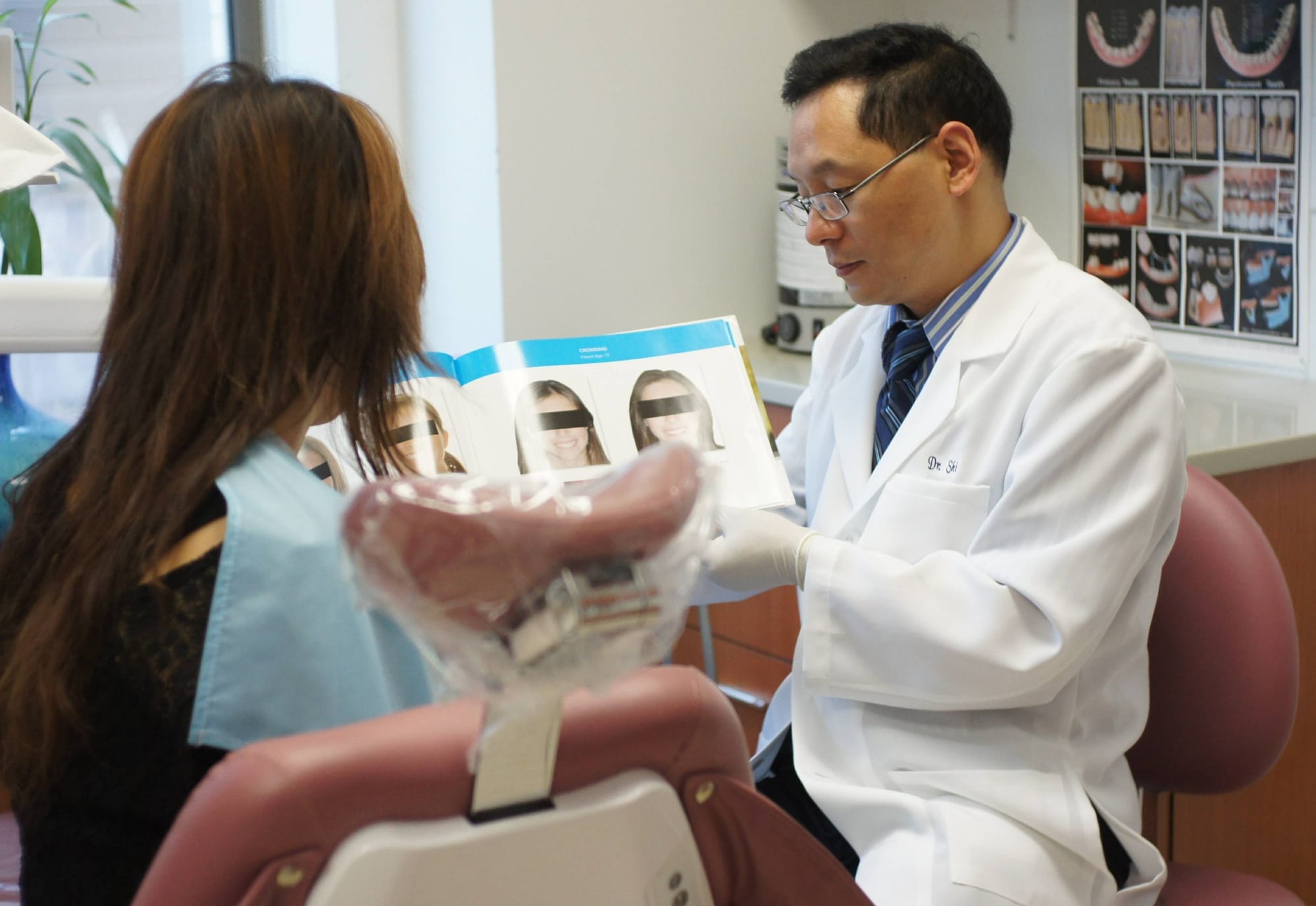
Cosmetic dentist in NYC at Centre Dental offers comprehensive smile design — from single-tooth bonding to full-mouth reconstruction combining veneers, whitening, and Invisalign. Cosmetic planning begins with a detailed consultation that documents your current dentition and maps a treatment sequence aligned with your goals.
- Smile design consultation
- Porcelain veneers
- Teeth whitening (Zoom)
- Bonding and contouring
- Gum reshaping
- Full-mouth reconstruction
- Digital preview of results
- Bilingual care (English / 中文)
“One thing I tell every patient: whiten before veneers, contour gums before crowns. The order changes the outcome. When we skip steps to move faster, we usually spend more time correcting the result later. The consultation exists so we map the sequence properly — not just what we are doing, but why we are doing it in that order.”
How It Works
The Process
The Consultation: Where Sequencing Gets Planned
Cosmetic dentistry is not a menu — it is a sequence. The consultation maps which procedures come first, which must wait, and which can be skipped entirely. A common mistake patients make from social media research is selecting a procedure before understanding their starting point. We photograph teeth under standardized lighting, take digital X-rays, and document bite relationships before discussing anything aesthetic. Treatment order matters clinically: whitening must be completed before veneers are fabricated so the shade match is accurate. Gum contouring should precede crowns so the tissue architecture is stable before final restorations are placed. Function is addressed first — cavities restored, gum health confirmed — because cosmetic work placed over an unhealthy foundation fails prematurely. Composite bonding accounts for 54% of aesthetic treatments nationally (DSM, 2024) precisely because it requires no enamel removal and is reversible. We routinely recommend bonding when it will accomplish what the patient wants without committing them to an irreversible option.
Cosmetic vs. Restorative: The Insurance Distinction No One Explains
Whether a procedure is classified as cosmetic or restorative affects insurance coverage — and most practices never explain the difference clearly. A veneer placed purely to improve the color of a healthy tooth is aesthetic: no coverage under standard plans. The same veneer placed over a structurally damaged tooth with documented decay may qualify for partial restorative coverage. At Centre Dental NYC, we document the clinical rationale for each treatment and submit for any applicable coverage before you commit. We also counsel on longevity when choosing between procedures. Composite bonding lasts 3–7 years; in-office whitening 1–3 years; porcelain veneers and crowns 10–20 years with proper maintenance. Modern materials — lithium disilicate and ultra-translucent zirconia — now provide fracture resistance alongside the aesthetics that earlier ceramics could not reliably deliver (PMC12449501, 2024). Material selection is a clinical decision, not a luxury upgrade.
Combining Treatments: What the Planning Produces
A full smile transformation uses multiple procedures in a planned sequence. A typical case: whitening establishes the target shade, upper veneers are fabricated to match, gum contouring balances tissue proportions, and bonding addresses secondary teeth outside the veneer scope. Each step depends on the one before it. The sequencing decisions made at consultation directly affect whether the final result looks coordinated or mismatched. We use digital smile preview tools to show proportions and shading before any preparation occurs — not as a guarantee, but as a shared reference for the conversation. Treatment plans are written with each procedure, its timing, and its cost itemized. Patients who understand what each phase accomplishes, and why it is ordered as it is, consistently report higher satisfaction because their expectations were built on clinical reality rather than filtered photographs.
Clinical Evidence
Delta Dental's 2024 survey found 91% of Americans believe their smile is a major social asset — and composite bonding now accounts for 54% of all aesthetic dental treatments due to its lower cost and reversibility (DSM, 2024).
Timeline
1 visit to 6+ months depending on treatment plan
Typical treatment duration
Common Questions
Frequently Asked Questions
What does cosmetic dentistry include?
Cosmetic dentistry covers procedures that improve the appearance of teeth and gums — teeth whitening, composite bonding, porcelain veneers, gum reshaping, and full-mouth reconstruction. Many also carry functional benefits: veneers can restore structurally damaged teeth, and bonding repairs chipped enamel. The distinction between cosmetic and restorative matters for insurance — a veneer on a damaged tooth may receive partial coverage, while the same veneer on a healthy tooth for aesthetic reasons typically does not. We document clinical rationale and verify your coverage before any procedure begins.
How much does cosmetic dentistry cost?
Cost varies significantly by procedure, and so does longevity: composite bonding lasts 3–7 years, porcelain veneers last 10–20 years, and in-office whitening lasts 1–3 years with maintenance. Composite bonding accounts for 54% of aesthetic treatments nationally because it delivers meaningful results without the commitment and higher cost of veneers. We provide a written, itemized treatment plan at your consultation so you can decide what to sequence, what to phase over time, and what to prioritize.
Does insurance cover cosmetic dental work?
Most cosmetic procedures are not covered because they are classified as elective. But the line between cosmetic and restorative is not always clear-cut. A veneer placed over a tooth with documented structural damage — decay, fracture, significant wear — may qualify for partial restorative coverage under many plans. The same veneer placed purely for aesthetic improvement on a healthy tooth receives no coverage. We identify which procedures have a legitimate restorative rationale, document it properly, and submit for any coverage you may be entitled to before treatment starts. Financing options are available for out-of-pocket expenses.
What is the difference between veneers and bonding?
Porcelain veneers are laboratory-fabricated ceramic shells bonded permanently to the tooth. They require removal of 0.3–0.7 mm of enamel — an irreversible step — and last 10–20 years. Composite bonding applies tooth-colored resin directly to the tooth in a single visit with no enamel removal. It lasts 3–7 years and can be repaired or reversed. Bonding accounts for 54% of aesthetic treatments nationally (DSM, 2024) because it accomplishes many of the same outcomes at lower cost and without committing the patient to lifetime artificial coverage. We consistently evaluate whether bonding can achieve what the patient wants before recommending veneers.
How long do cosmetic dental results last?
Longevity by procedure: composite bonding lasts 3–7 years before refinishing or replacement is needed; in-office whitening results persist 1–3 years depending on consumption habits; porcelain veneers survive at 95.5% at 10 years per systematic review (PMC8184312); crowns have comparable 10–20 year lifespans. Gum contouring results are typically permanent. The biggest variable after material choice is patient behavior — grinding without a night guard, biting hard objects, and heavy dark-beverage consumption all shorten restoration life significantly. We cover maintenance expectations at your consultation alongside longevity data.
Why does treatment order matter in cosmetic dentistry?
Sequence errors are one of the most common sources of cosmetic dissatisfaction. Whitening after veneers are placed means the natural teeth lighten while the veneers stay the same shade — creating a mismatch. Gum contouring after crowns risks exposing crown margins as the tissue heals. Bonding before orthodontic alignment wastes material that will need to be removed and redone. Treatment sequencing is where the clinical consultation produces its most important decisions. We document the planned order and explain why each step comes when it does so patients understand the rationale, not just the schedule.
Are cosmetic dental procedures uncomfortable?
Most procedures involve little discomfort. Whitening causes temporary sensitivity in a significant proportion of patients — clinical studies report rates of 43–80% depending on concentration and exposure time — which typically resolves within 24–48 hours. Veneer preparation uses local anesthesia; post-procedure sensitivity around prepared teeth is common and usually resolves once final restorations are placed. Composite bonding and laser gum contouring are generally well-tolerated with minimal or no anesthesia. We document your sensitivity history at consultation and adjust protocols accordingly.
How long does cosmetic treatment take from start to finish?
Single procedures are fastest: whitening and bonding can be completed in one appointment. Porcelain veneers require two visits over 2–3 weeks (or one with CEREC same-day milling). Full-mouth reconstructions typically span several months, particularly when preparatory work — gum treatment, orthodontics, or implant placement — must be completed before cosmetic restorations. We provide a written timeline at your consultation with each phase dated so you can plan around work and personal commitments.
Will cosmetic work look natural?
Modern ceramics — lithium disilicate and ultra-translucent zirconia — mimic the light-reflecting behavior of natural enamel closely enough that properly placed restorations are difficult to distinguish from natural teeth (PMC12449501, 2024). We use shade guides under multiple light conditions and digital preview tools to evaluate proportions before any fabrication begins. The goal is consistency with your face and existing teeth — a result that reads as an improved version of you, not obviously dental work.
How do I maintain cosmetic dental work?
Maintenance follows the same principles as general oral health: twice-daily brushing with a soft-bristle toothbrush, daily flossing, and regular professional cleanings every six months. Patients with veneers or bonding should avoid biting directly into very hard foods. Those prone to grinding should wear a custom night guard — for veneer patients this is critical, as unprotected bruxism can cause catastrophic fracture. Touch-up whitening trays are provided to maintain shade consistency. Your dentist checks bond integrity and restoration condition at every recall appointment.
Do you offer financing for cosmetic treatment?
Yes. We work with third-party financing providers that offer payment plans with flexible terms. Options are reviewed at your consultation alongside the treatment plan. We also accept most major credit cards and can phase treatment across multiple appointments to distribute costs over time.
Explore Further
Related Services
Cosmetic Dentistry Near You in NYC
Start Here
Your Smile Starts With a Conversation
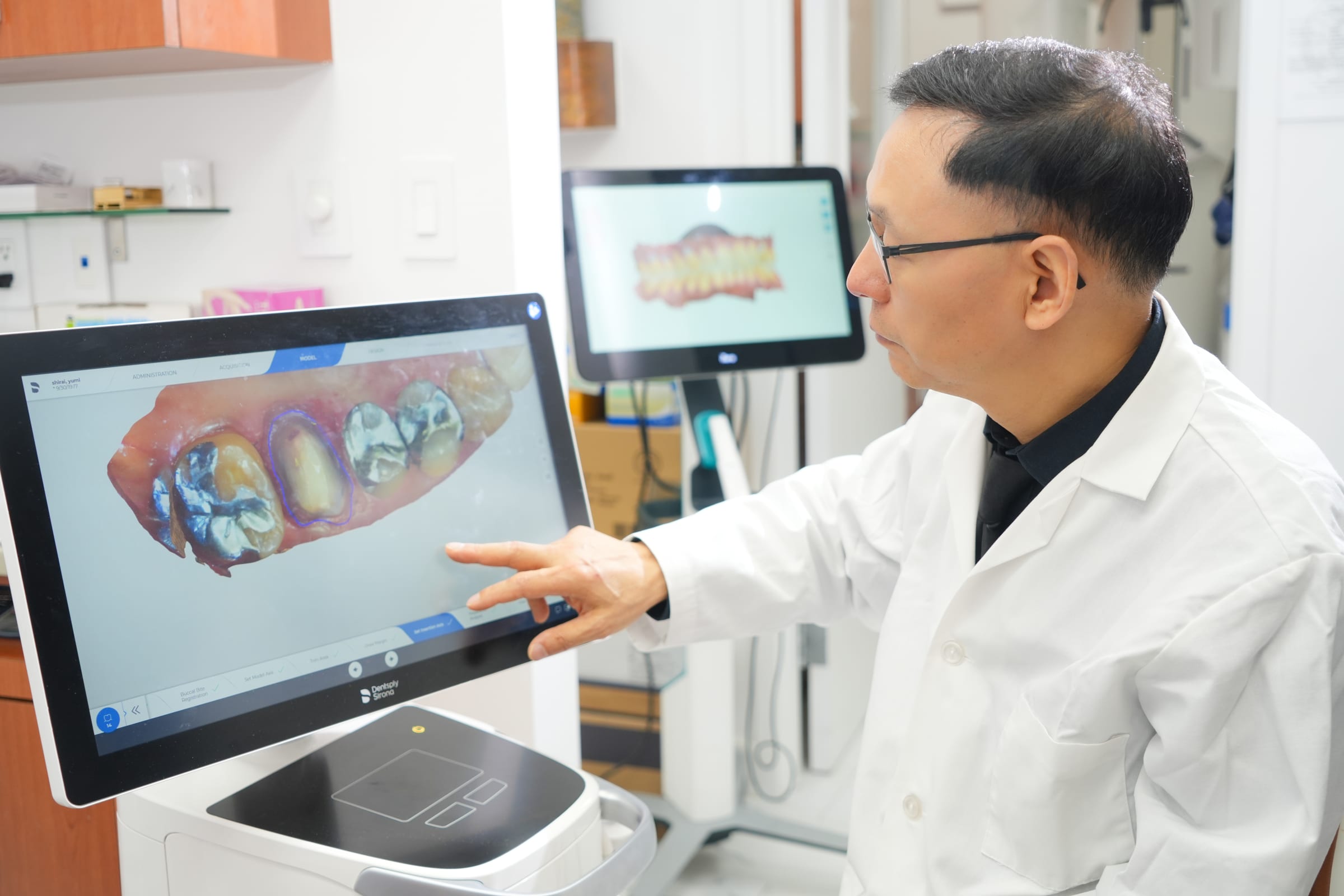
Begin with a no-obligation consultation about cosmetic dentistry. Dr. Shi reviews your 3D scan, walks through your options, and provides an honest investment range — no pressure, no obligation.
Extensive full-arch reconstruction experience by Dr. Shi
3D-guided implant precision, placed by an experienced surgeon
Bilingual care — English, Mandarin, Cantonese
Open Mon–Sat · 139 Centre St, Lower Manhattan, NYC